Damask Floral Ornaments Collection Review
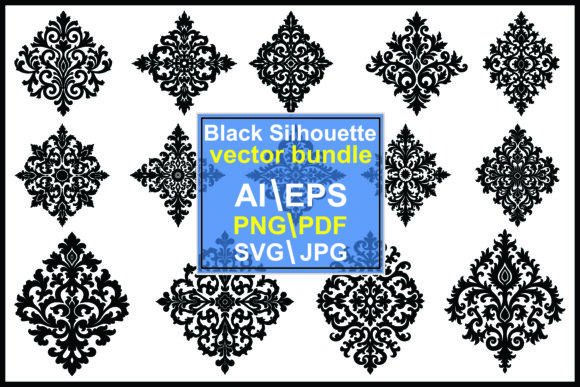
When I first opened the Damask Floral Ornaments Collection, my initial reaction wasn't just about the visual appeal of the black ornamental filigree on a white background. As someone who has spent years reviewing embroidery files for real-world client work, I immediately started thinking about stitch density, fabric interaction, and how this design would translate from a digital screen to a tangible product. This isn't just another generic pattern; it carries a specific mood that screams vintage elegance mixed with modern versatility.
The collection features intricate scrollwork and flourishes that feel deeply rooted in baroque and damask traditions. However, there is also a subtle nod to mandala and snowflake geometries that prevents it from feeling overly stiff or dated. For an embroidery designer looking to expand their catalog, the sheer variety within these graphics suggests they could anchor everything from a high-end boutique wedding gift to a cozy holiday sweatshirt. The visual personality here is confident, detailed, and undeniably sophisticated.
From Screen to Stitch: A Real-World Scenario
To truly understand the value of the Damask Floral Ornaments Collection, imagine you are preparing a custom order for a local bridal boutique. The client wants a set of personalized aprons for her wedding party, featuring a monogram surrounded by an elegant border. You pull up this design file. The immediate question is: will this hold up after a few washes, and does it look too busy for a kitchen towel?
Upon closer inspection, the balance between the open negative space and the dense filigree lines works beautifully for this application. If you were to use a satin stitch for the outer borders and a fill stitch for the heavier floral sections, the design would create a rich texture without overwhelming the fabric. I envision this layout perfectly suited for a tote bag design where the ornament acts as a frame for a custom name, or perhaps as a decorative accent on a baby item like a onesie or a burp cloth. The contrast of the black thread against a crisp white cotton apron would make the details pop, creating a finished product that feels premium and handcrafted.
However, if you are planning to use this for a cap or a curved surface, you need to be strategic. The intricate corners of the scrollwork might get lost or distorted if the hoop size isn't perfect or if the fabric stretches too much under tension. In this scenario, the design serves best as a central focal point on a stable surface, like a pillow cover or a kitchen towel, rather than a small patch on a structured hat.
Navigating Fabric and Texture Challenges
One of the most critical aspects of using any machine embroidery design is understanding how the material interacts with the stitches. The Damask Floral Ornaments Collection relies heavily on fine lines and delicate details. While this creates a stunning aesthetic, it demands a smooth, stable fabric to shine. Textured fabrics like heavy denim or boucle wool can hide the finer points of the filigree, making the design look muddy rather than sharp.
If you are working with stretchy fabrics, such as those found on t-shirts or sweatshirts, you must invest in a high-quality stabilizer. The density of the scrollwork requires a firm foundation to prevent puckering. Without proper stabilization, the tension from the running stitch and satin stitch combinations could cause the fabric to gather around the edges of the ornament, ruining the clean lines that define this style. For dark fabrics, you might consider adding a layer of tear-away stabilizer or even a light underlay to ensure the black thread stands out against the background, though the natural contrast of black-on-white in the original graphic suggests it is optimized for lighter materials.
There are also specific areas where caution is advised. Small hoop sizes present a significant risk with this collection. If you attempt to stitch the full complexity of the damask pattern into a tiny 4x4 hoop, you may lose the definition in the inner curves of the flourish. Similarly, while the design is versatile, applying it to products that require frequent washing, like dish towels, requires a robust stitch plan. Dense stitch areas can trap lint and moisture if not properly secured, so checking the stitch density before finalizing the project is non-negotiable.
Strategic Use Cases for Your Craft Business
For Etsy sellers and small shop owners, the Damask Floral Ornaments Collection offers a wide array of opportunities. It fits seamlessly into the current trend of "cottagecore" and vintage-inspired home decor. Imagine a line of embroidered patches featuring these ornaments paired with simple typography. These could be sold as accessories for denim jackets or as embellishments for canvas bags.
In the realm of digital assets, these graphics serve as excellent printable mockups. Even before stitching, the high-contrast nature of the black and white design makes it ideal for showcasing potential products in online listings. You can overlay the design onto images of aprons, pillows, or tote bags to give customers a clear vision of the finished product. This visual clarity builds customer trust and helps buyers visualize the quality of your work before they commit to a purchase.
Furthermore, the design's versatility extends to commercial projects. Whether you are branding a coffee shop with embroidered napkins or creating personalized gifts for a corporate event, the damask theme adds a layer of professionalism and timelessness. It avoids the fleeting trends of cartoonish characters or neon colors, offering instead a classic look that appeals to a broad demographic. This makes it a safe yet stylish choice for commercial embroidery where longevity and broad appeal are key.
Essential Designer Notes Before You Start
Before you rush to load this file into your machine, there are several practical steps every professional should take. First and foremost, always test the design on scrap fabric. This allows you to gauge the thread color contrast and see how the stitch density behaves on the specific material you intend to use. What looks perfect on a screen might behave differently on linen versus polyester.
You should also review the file specifications carefully. Since exact stitch counts and file formats were not provided in the initial description, you need to verify compatibility with your specific embroidery machine. Check whether the design includes necessary components for both personal and commercial projects, and confirm the licensing terms if you plan to sell the finished items. Many designers overlook the distinction between a digital file license and a product license, which can lead to legal issues down the road.
Another crucial step is inspecting the small details. Zoom in on the digital preview to ensure that no critical parts of the filigree are disconnected or too thin to stitch reliably. If the design is intended for a tote bag design, consider how the weight of the thread will affect the fabric drape. Sometimes, a slightly simplified version of a complex pattern yields better results on larger items.
Finally, compare the design in both light and dark fabric mockups. While the original graphic is black on white, seeing how it translates to different backgrounds can inspire new creative directions. Perhaps a gold thread on navy blue would elevate the baroque feel, or a silver thread on black could create a striking modern twist. The flexibility of the Damask Floral Ornaments Collection lies in its adaptability to various thread colors and fabric textures.
Ultimately, this collection represents a solid investment for any maker looking to add a touch of refined elegance to their portfolio. By approaching it with careful planning and a keen eye for detail, you can transform these digital illustrations into memorable, high-value handmade products that resonate with customers seeking quality and style.